WELLINGTON, 2 September 2026: Important signals are emerging for the months ahead as New Zealand enters spring. A very strong El Niño in the Pacific Ocean may bring periods of unusual warmth, reduced rainfall and stronger westerly winds to parts of the country.
Earth Sciences New Zealand, NIWA says the effects will not be uniform. Drier-than-normal conditions are expected across northern and eastern parts of both islands, with the greatest odds of dryness in northern and eastern parts of the North Island.
Strong westerlies may be a defining feature
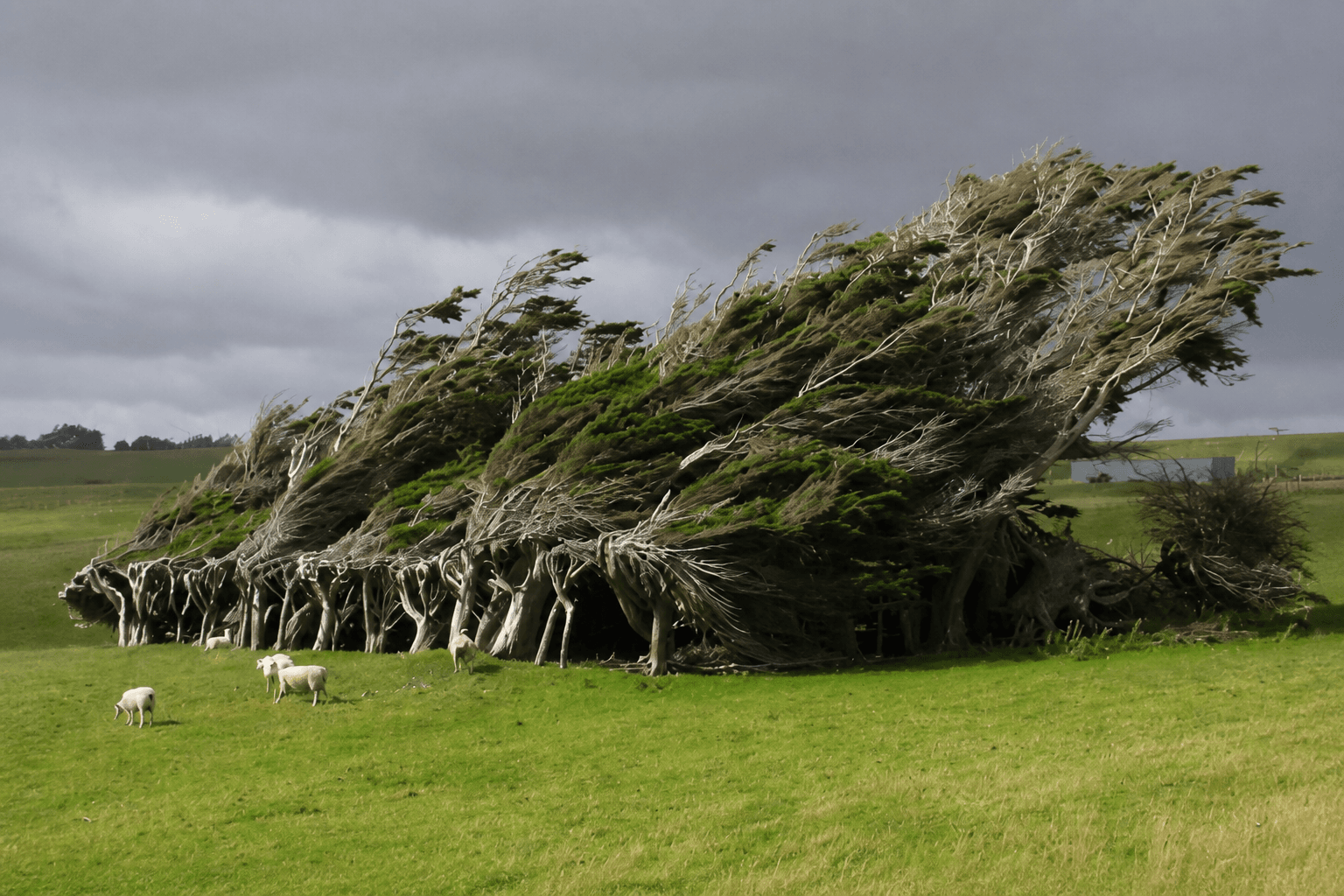
During El Niño, New Zealand tends to experience more frequent winds from the southwest through to the northwest. This can increase the number of windy and gusty days across many regions.
A more active and stormy spring is possible for the western and lower South Island, where frequent fronts may bring high winds and heavy rain. By contrast, northern and eastern regions may experience comparatively dry conditions.
The coming season will matter for farmers
If lower rainfall persists, farmers and livestock operators may face challenges involving soil moisture, feed availability and water demand.
The combination of dry and windy conditions may also increase wildfire risk in regions including Canterbury, Otago and Marlborough. Farmers and rural communities will benefit from closely monitoring weather updates over the coming weeks and months.
Not every day will be warm and dry
El Niño does not mean every day in New Zealand will be warm or dry. Spring is known for rapidly changing weather, and cold fronts, rain and sudden temperature drops can still occur.
El Niño mainly influences average patterns over several weeks or months rather than making each day’s weather the same.
Keep watching current forecasts and warnings
With strong winds and changeable weather possible through spring, travellers, farmers and outdoor workers should continue checking current warnings and local forecasts.
Meteorologists will keep monitoring how the event develops and how strongly it affects different parts of New Zealand over the months ahead.